
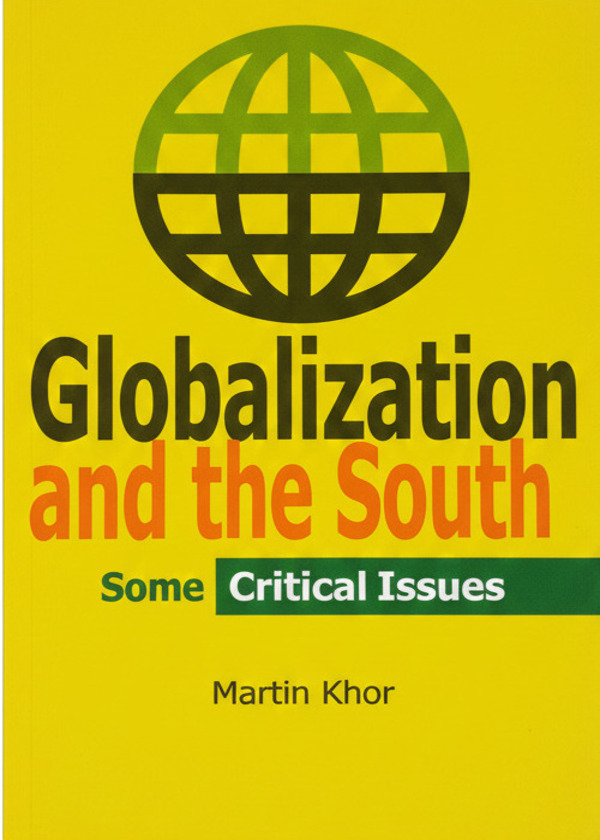
Description
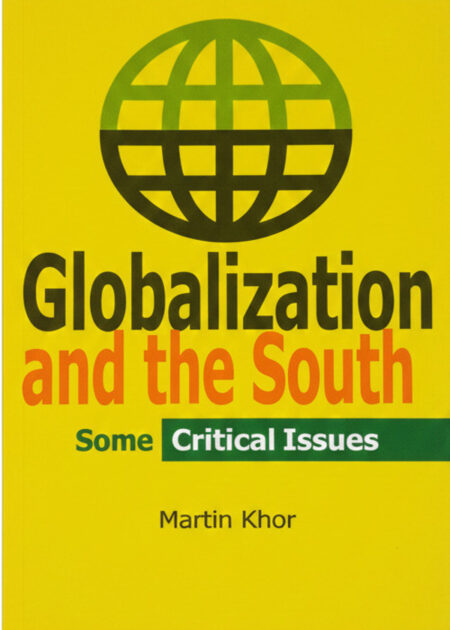
THIS BOOK examines the implications of some of the main features of the globalization process for developing countries. It also makes several proposals for developing countries in considering national-level policies to face the globalization challenge, as well as for coordination among development countries in facing negotiations or making proposals at the international level.
While there are many aspects to globalization, among the most important is the recent generalization of national policy-making not only through the normal spread of orthodox theories but more importantly through international agencies, such as the Bretton Woods institutions and the World Trade Organization, through which the North has leverage over the South.
The book examines the liberalization of trade, finance and investment as well as policy implications and choices in each of these categories. It is argued that, while there are some advantages to an open regime for developing countries, the impact of openness depends on a country’s level of development and preparedness to take on the challenges of subjecting local production units to foreign competition, of being able to break into world markets, and of weathering the volatility and fickleness of private capital flows and their propensity for leading recipient countries into a debt trap.
It is therefore imperative that developing countries be given the possibility to have an adequate range of options, of when, how and so what extent to open their economies. For them to maintain flexibility in policy options, developing countries have to collectively press their case in international forums and institutions where decisions on the global economy are made. Failure in doing so would mean that developing countries will continue to be subjected to international and national policies that are unsuitable to their development and that more than ever close off their development prospects and options.
ABOUT THE AUTHOR
MARTIN KHOR is the Director of Third World Network, a network of several NGOs in different parts of the developing world. An economist trained in Cambridge University who has lectured in economics in the Science University of Malaysia, he is the author of several books and articles on trade, development and environment issues.
He is also the Honorary Secretary of the Consumers Association of Penang in Malaysia and a board member of the International Forum on Globalization. He was formerly a Vice Chairman of the UN Commission on Human Rights Expert Group on the Right to Development and a consultant in several research studies under the United Nations.

Reviews
There are no reviews yet.